
Are You Planning a Deck in 2026?
Wednesday, March 04, 2026
What to Consider Before You Build
A well-designed timber deck can transform an outdoor space - but long-term performance depends on decisions made long before the first board is installed. From layout and drainage to structural support and fixing choices, careful planning is essential if your deck is to remain safe, durable and visually appealing for years to come.
As the UK authority on timber decking best practice, the Timber Decking & Cladding Association (TDCA) provides comprehensive guidance to support designers, specifiers, installers, and homeowners. If you’re planning a deck in 2026, here are the key considerations to address from the outset.
Planning Permission: What You Need to Know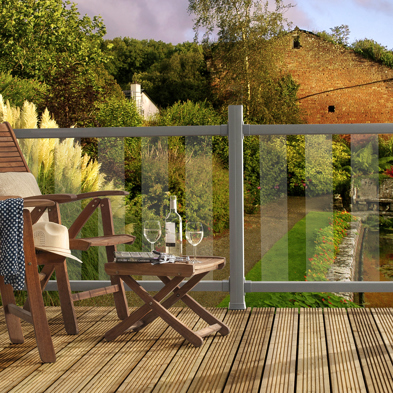
In the majority of domestic installations, decking will fall within permitted development rights and will not require formal planning permission. However, it is important to understand the circumstances where approval may be necessary.
Planning permission is typically required if:
- The deck platform sits more than 300mm (30cm) above ground level
- Together with other extensions and outbuildings, the decking would cover more than 50% of the total garden area
Additional factors may also trigger the need for consent, including:
- The deck is situated within 20 metres of a highway
- The structure could affect the amenity value or privacy of neighbouring properties
- The deck is attached to a listed building
- The property is located within a Conservation Area or National Park
Planning guidance can change, and interpretation may vary between local authorities. For this reason, if there is any uncertainty about your specific project, it is always advisable to consult your local planning office before work begins. Early clarification can prevent delays, redesign costs or potential enforcement action.
From both a planning and design perspective, decking should remain proportionate to the scale of the property and sensitively positioned to respect neighbouring homes.
For more detailed regional guidance and clarification on planning and Building Regulations requirements, refer to TDCA Technical Bulletin TB02: Planning & Building Regulations, available from the Timber Decking & Cladding Association website.

Start with Purpose and Positioning
Before selecting materials or detailing the structure, it’s important to define how the deck will be used. Will it support heavy furniture, hot tubs or high footfall? Is it attached to a building or free-standing? These factors influence structural requirements, load-bearing capacity and fixing specifications.
Positioning also matters. Exposure to sun, shade, prevailing weather and nearby vegetation will all affect moisture levels and drying potential - key contributors to a deck’s long-term performance.
Design for Drainage and Ventilation
Effective water management is critical. Decks should always be designed to shed water quickly and dry efficiently. This includes:
- Ensuring adequate falls to prevent standing water
- Providing sufficient gaps between deck boards for drainage and seasonal movement
- Allowing airflow beneath the deck to support drying of structural components
Poor drainage and restricted ventilation significantly increase the risk of decay, regardless of timber quality or treatment level.
Get the Substructure Right
 The substructure is the backbone of any deck and plays a crucial role in safety and longevity. More often than not, pressure treated softwood components are used for the substructure and TDCA guidance strongly emphasises that all such structural timbers used externally should be appropriately preservative treated, with particular attention given to joists, beams and posts.
Even where components are not in direct ground contact, structural elements are often exposed to prolonged moisture. Specifying the correct treatment level from the outset helps ensure durability and reduces the risk of premature failure.
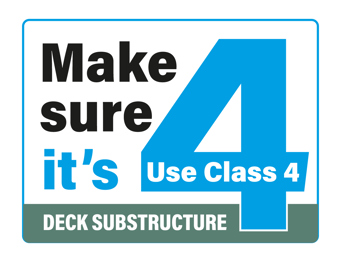
TDCA recommends that any decking timbers providing exterior structural support should be correctly preservative pressure treated to Use Class 4 - regardless of whether they are in ground contact or not.
Choose Compatible Fixings and Connectors
Metal fixings are often overlooked, yet they are vital to deck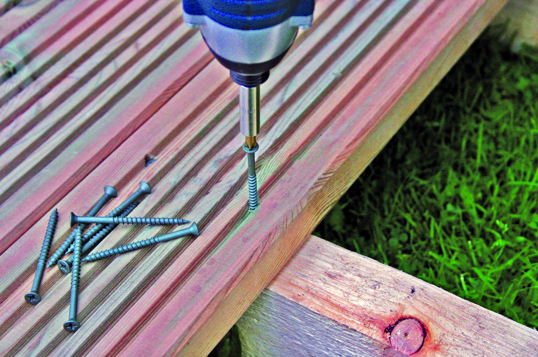 performance. Nails, screws, bolts and connectors must be suitable for external use and compatible with preservative-treated timber to avoid corrosion and staining.
Fixings should also be selected to accommodate timber movement and structural loading. Using inappropriate or low-grade fixings can compromise both safety and appearance over time.
Allow for Movement and Tolerances
Timber is a natural material that responds to changes in moisture. Good deck design accounts for this by allowing boards to expand and contract without distortion or damage.
Correct board spacing, fixing positions and edge distances all help accommodate natural movement and maintain a stable, attractive surface throughout the year.
Plan for Maintenance from Day One
No external deck is maintenance free. Planning for access, inspection and future care will make ongoing maintenance simpler and more effective.
Understanding how your deck will weather, and how it can be cleaned, inspected and maintained, is an essential part of responsible design and not an afterthought.
TDCA: Supporting Better Decking, Built to Last
The TDCA Timber Decking Handbook provides detailed, practical guidance on all aspects of deck planning, design and construction - helping to ensure timber decks are safe, durable and fit for purpose.
If you’re planning a decking project in 2026, we strongly recommend consulting the full handbook and working with TDCA members who are independently audited and committed to industry best practice through our DeckMark accreditation schemes.